MTG Standard deck names are generally made up of two components: Colors - The first part tells you which colors are in the deck (for example Mono Red or Blue/White)
Per TCG and tournament rules, they must be represented by small physical objects placed on the appropriate cards, but there are also official, grey-colored Counter cards that state that they can be used as counters
(Bevy of Beebles) Baldin, Century Herdmaster Become the Avalanche Better Than One Body of Knowledge Bulwark Castle Locthwain Commence the Endgame Dark Suspicions Descendant of Soramaro Diviner's Portent Duggan, Private Detective Empyrial Armor Ensnaring Bridge Fateful Showdown Fires of Victory Hand of Vecna Heartwarming Redemption Inner Calm, Outer Strength Ivory Tower Jolrael, Mwonvuli Recluse Jolrael, Voice of Zhalfir Jushi Apprentice Jushi Apprentice Kagemaro's Clutch Kagemaro, First to Suffer Kitsune Loreweaver Kiyomaro, First to Stand Leonardo da Vinci Manifestation Sage Maro Maro Avatar Master the Way Masumaro, First to Live Meishin, the Mind Cage Minas Tirith Garrison Mordenkainen Mr
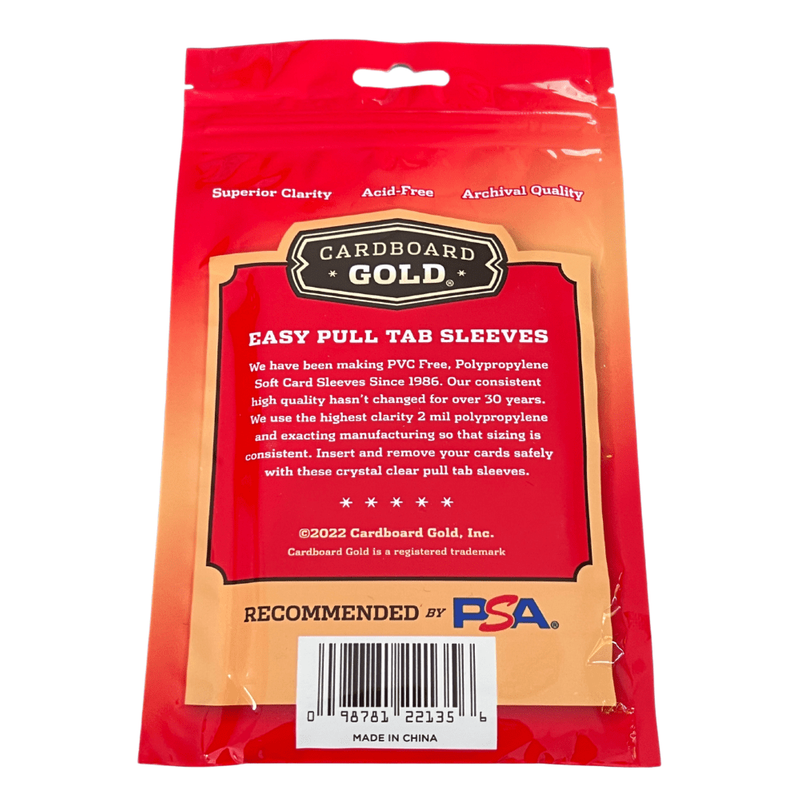
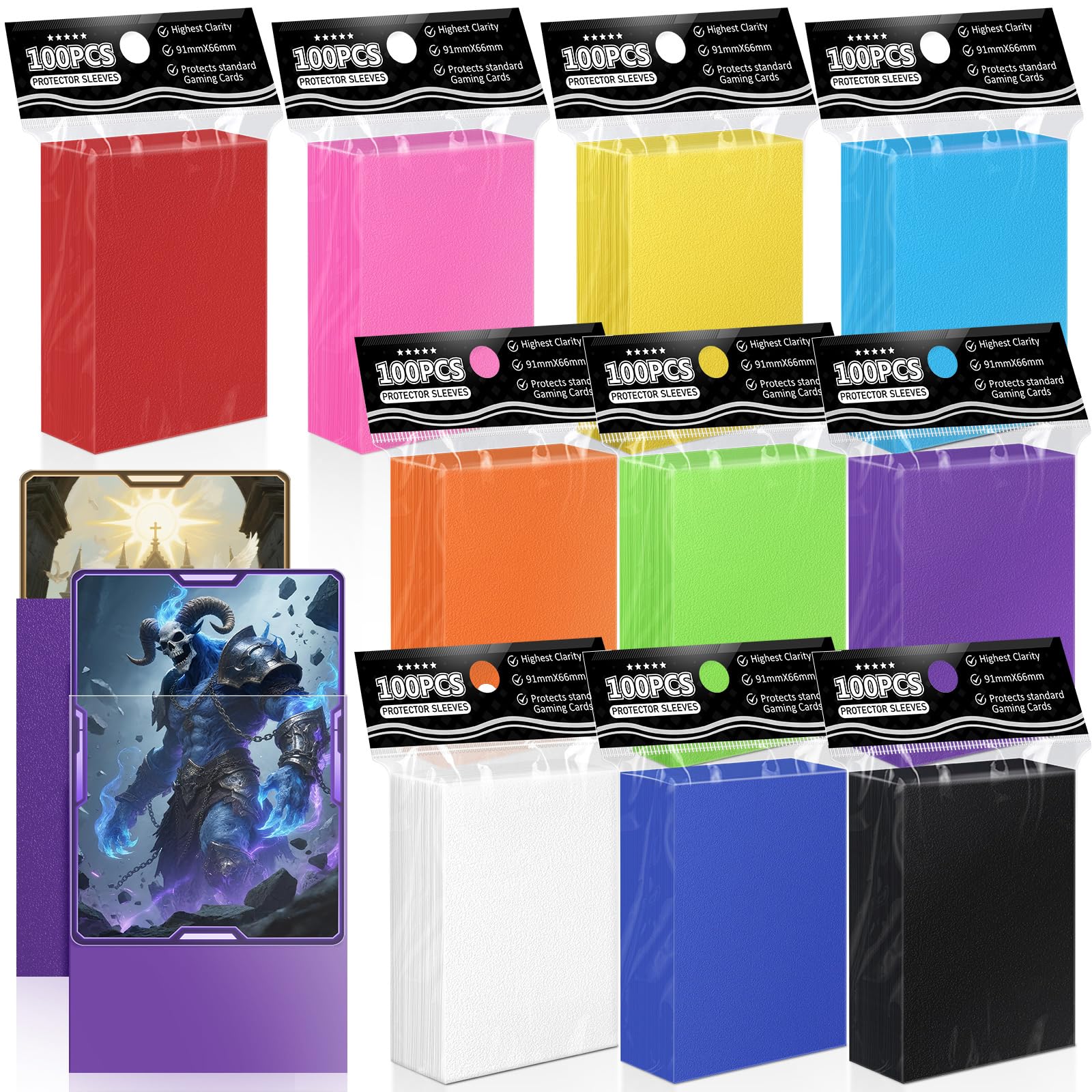
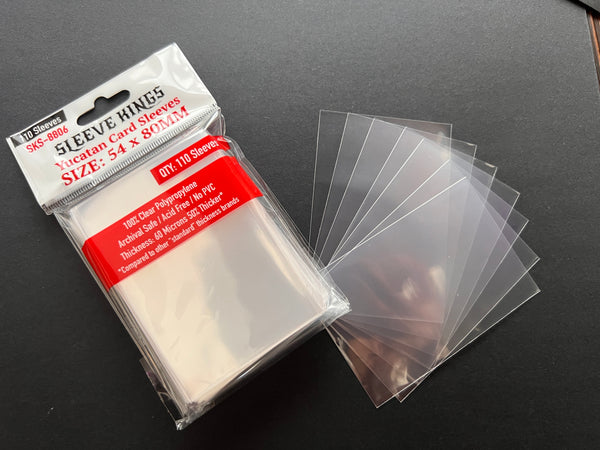
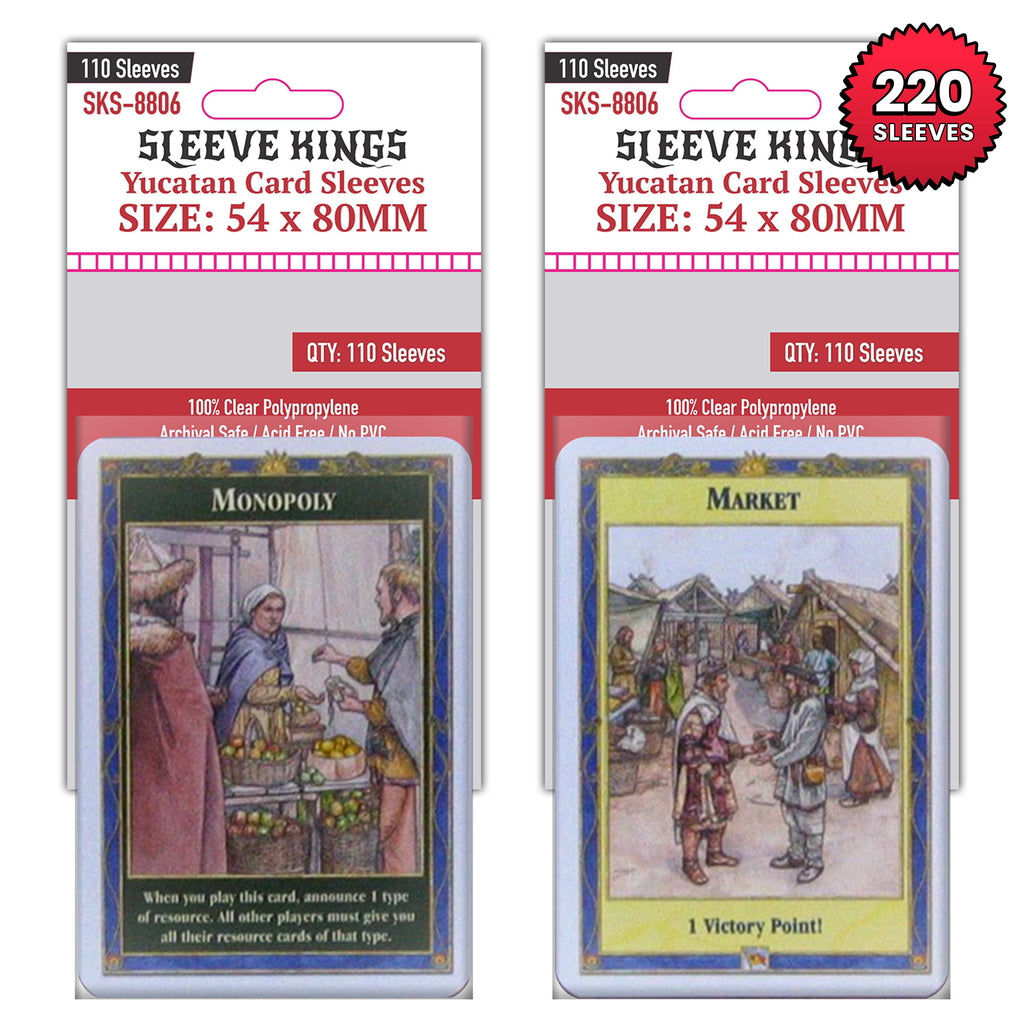
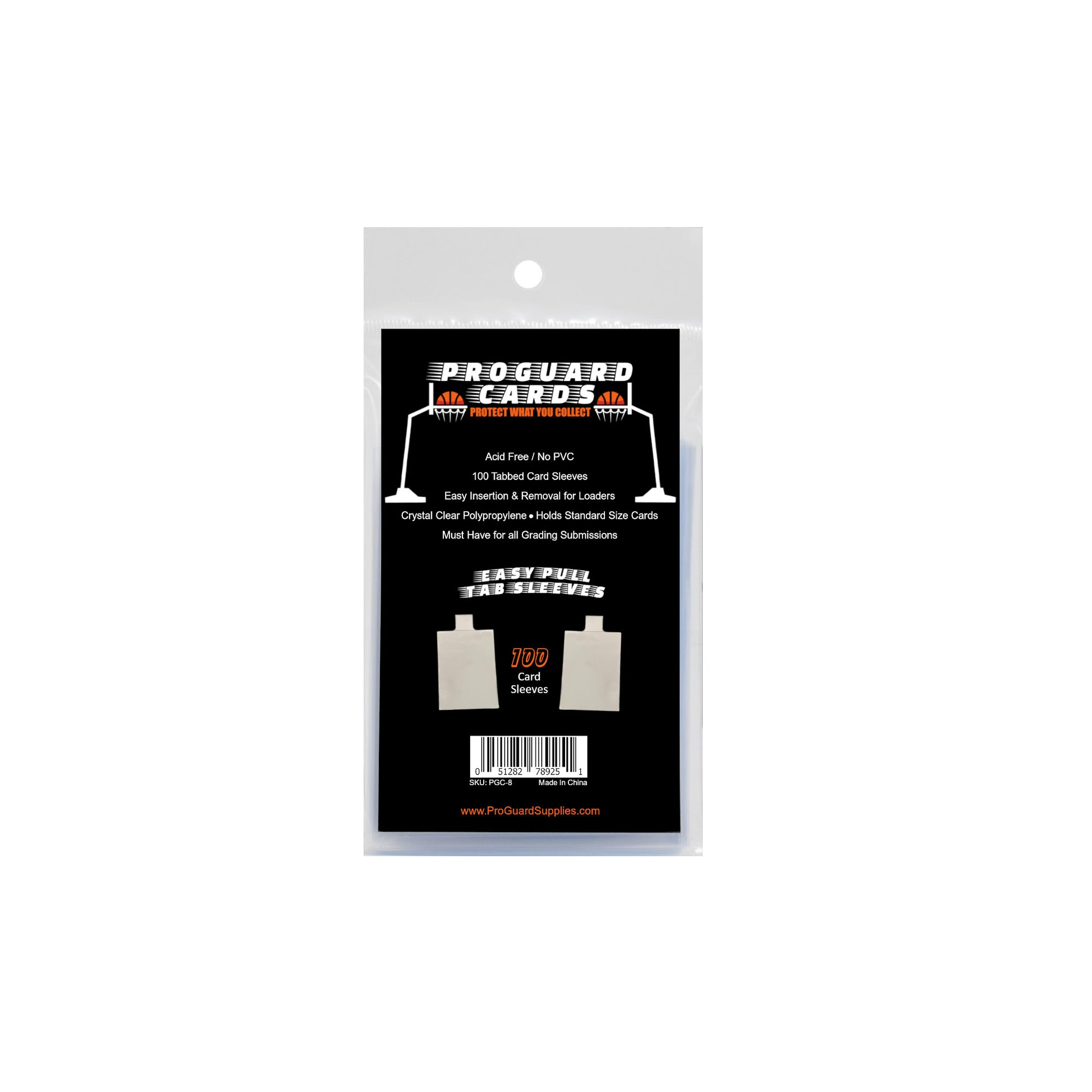
[3] [4] [5] In tournament [edit] Modern tournament rules for most trading card games allow (or even mandate) the use of card sleeves, and consider the card sleeves (if opaque) to be the real "back" of the card for the purposes of marking
From our workbench to your front door, thank you for letting us be a part of your home
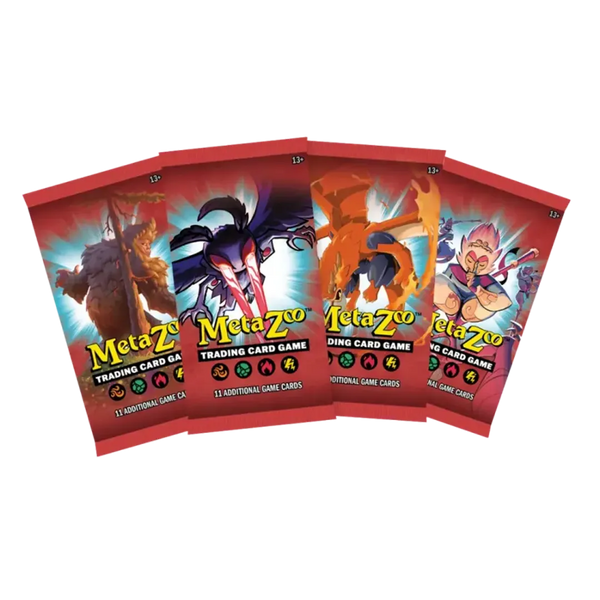
Each Pack Hourglass reduces the cooldown by one hour, meaning you'll need 12 Hourglasses to open an additional pack after reaching your daily limit of two draws








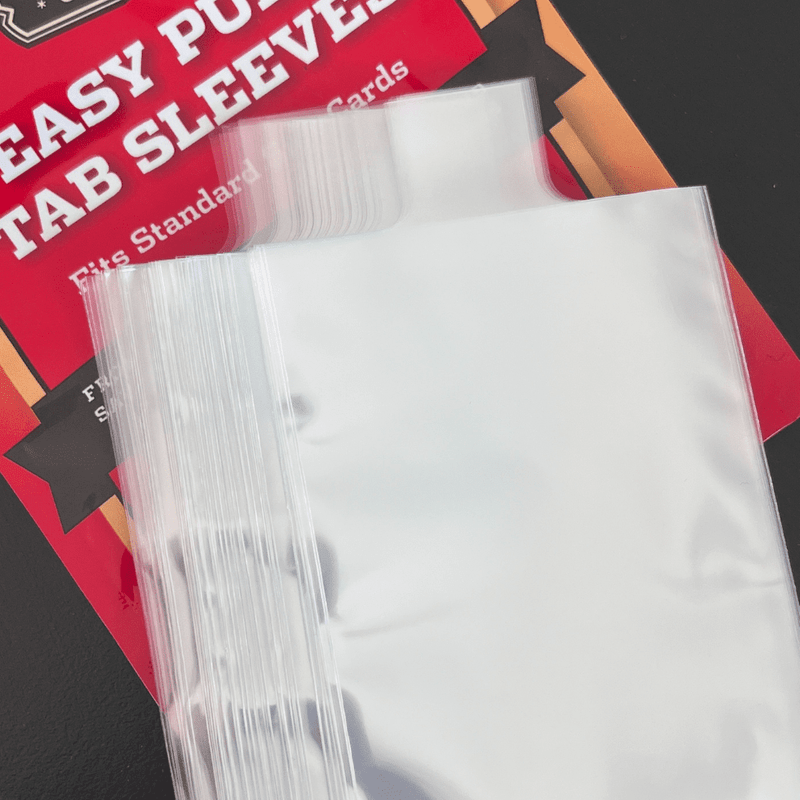
![Tabbed Sleeves for Top Loaders and Card Savers [200 Count] – The Hobby Lair](https://thehobbylair.com/cdn/shop/files/81LM86VFa-L._AC_SL1500.jpg?v=1708592268&width=416)