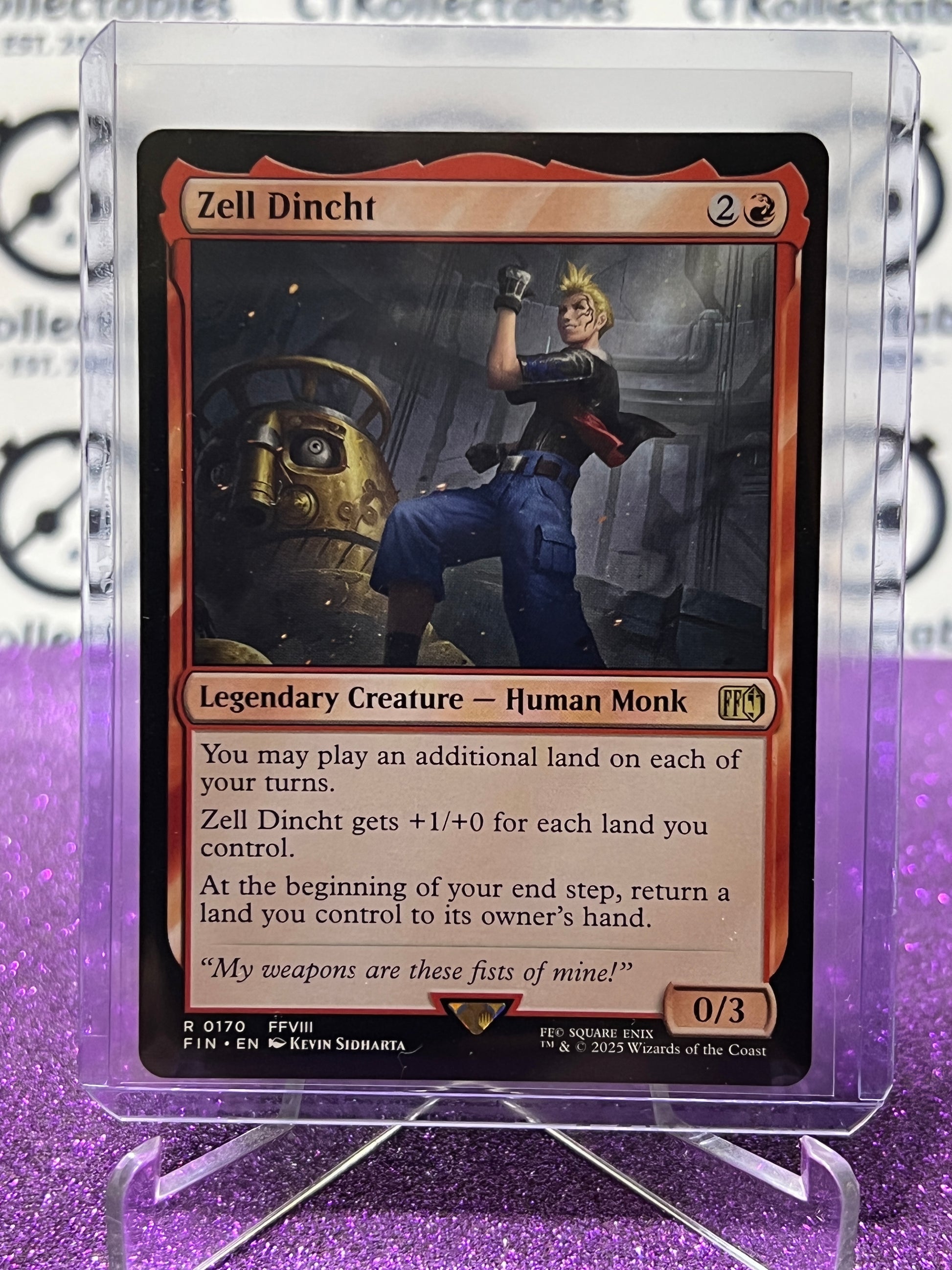
So what I am going to try to answer here in this article is something that has haunted players, me included, since the beginning of TCGs: What is the difference between a good and a bad card
Isnt that sad
This is where you might need to improvise and do some juggling
Advanced Search Sets Random Syntax Akroma, Angel of Fury Animar, Soul of Elements Archon of Absolution Basri's Lieutenant Beasts of Bogardan Black Knight Blood Baron of Vizkopa Blood Knight Bog Elemental Brave the Elements Crypt Angel Defender of Chaos Disciple of Malice Dominaria's Judgment Dross Harvester Eight-and-a-Half-Tails Eviscerator Goblin Outlander Goblin Wizard Grotesque Hybrid Hand of Cruelty Hell-Bent Raider Ihsan's Shade Knight of Infamy Knight of Stromgald Malakir Bloodwitch Marauding Knight Masked Gorgon Mountain Yeti Order of the Ebon Hand Order of the White Shield Phyrexian Crusader Rasputin, the Oneiromancer Reverent Mantra Riftmarked Knight Righteous War Shivan Zombie Spectra Ward Stillmoon Cavalier Stormbreath Dragon Strength of Lunacy Stromgald Crusader Sword of Hearth and Home Sword of Light and Shadow Sword of Truth and Justice Sword of War and Peace Teysa, Envoy of Ghosts Tourach, Dread Cantor Unchained Berserker Ureni, the Song Unending Voice of Truth Wall of Putrid Flesh White Shield Crusader White Ward Wildfire Emissary

This is a playable planeswalker because of the flexible mana value, but I think there are better planeswalker options for equipment-style decks
Digital card game SolForge is coming to the tabletop with its first physical release that - somewhat appropriately - mashes together the infinite procedurally-generated cards of KeyForge with the hybrid deck-building of Magic: The Gatherings Jumpstart format









![Chesnaught BREAK (12/162) [XY: BREAKthrough] – Pokemon Plug](http://pokemonplug.com/cdn/shop/products/107131.jpg?v=1660584330)